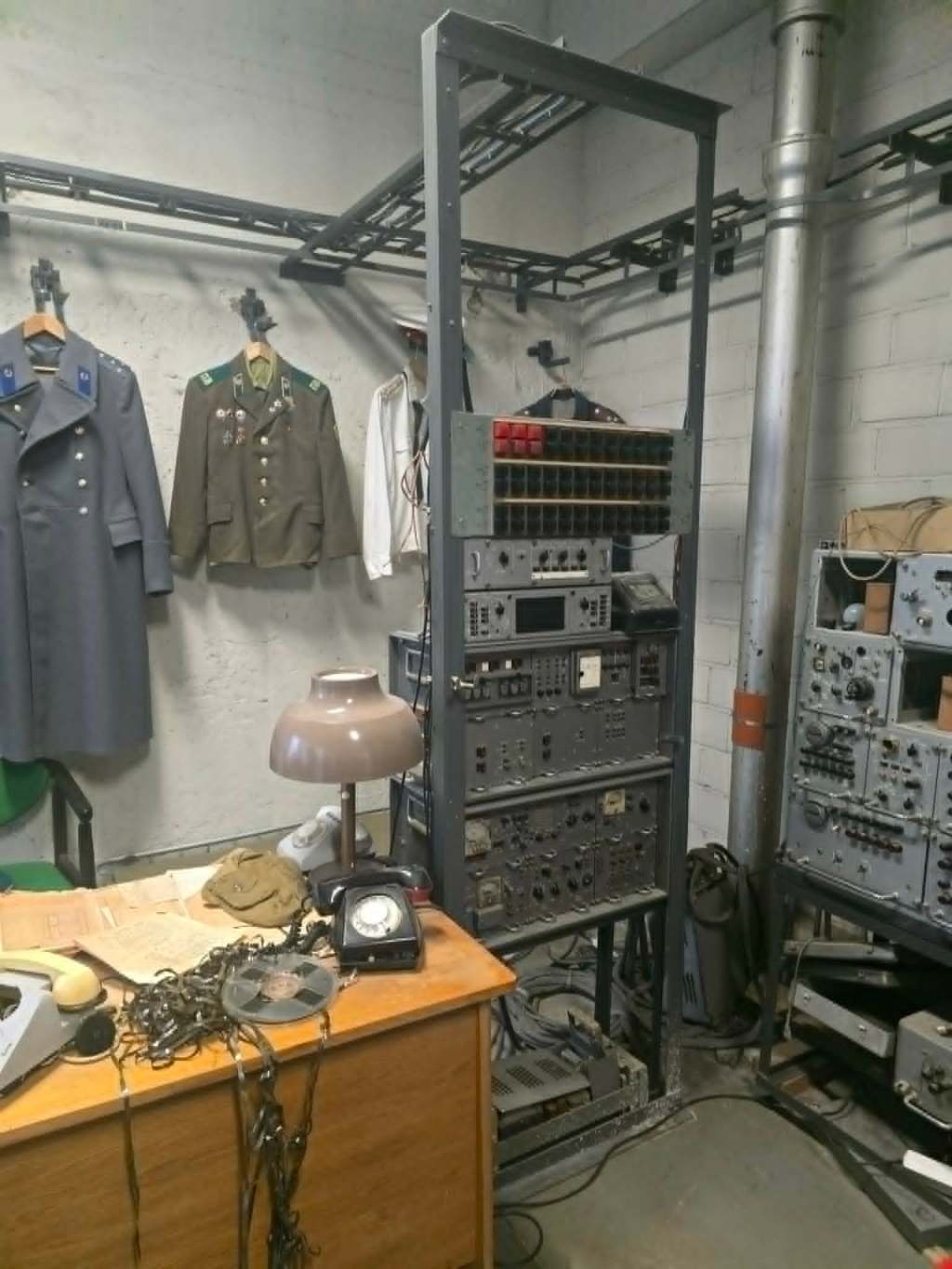
In 1972 the Hotel Viru was the only place you could stay as a foreigner in Tallinn. The upscale hotel offered a window to the west for everyone living behind the iron curtain, and as such entry for locals was highly coveted. Entry was also highly controlled. You see, while the Hotel Viru is today owned and operated by Finnish chain Soko in the 1970s it was the KGB who ran the show.
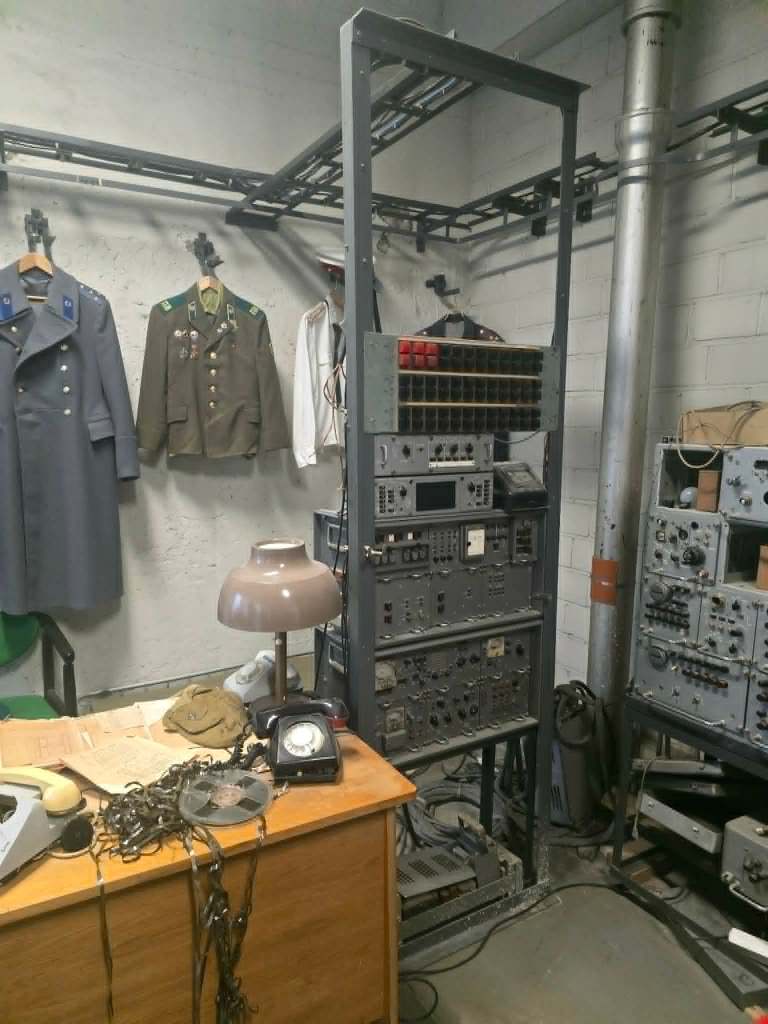
Officially 22 floors, the gated and locked 23rd floor housed the audio-visual surveillance systems installed in all rooms, dining halls and saloons. Microphones were installed in bread plates and telephones. Babushkas sat outside the elevators recording who was in their room and who wasn’t. Gentlemen read papers at the bar with microphones in their cufflinks. The cold war was in full swing, and the spooks were a constant among the visiting dignitaries, politicians, celebrities or travelling businessman. Even the cabaret and showgirls had a part to play honey trapping their targets and collecting pictures for blackmail.
Which is why if you’re having a sensitive conversation with someone, you should do it in the shower – firstly, hard to wear a wire in the nude, second, the noise of the water is bullshit hard to tune out.
When the USSR fell in 1991 the KGB left the hotel in a bit of a hurry leaving their covert rooms a mess of destroyed equipment and shredded paperwork. Probably they nicked off down the road to HQ because it wasn’t until 1994 that the soviet army actually left Tallinn.
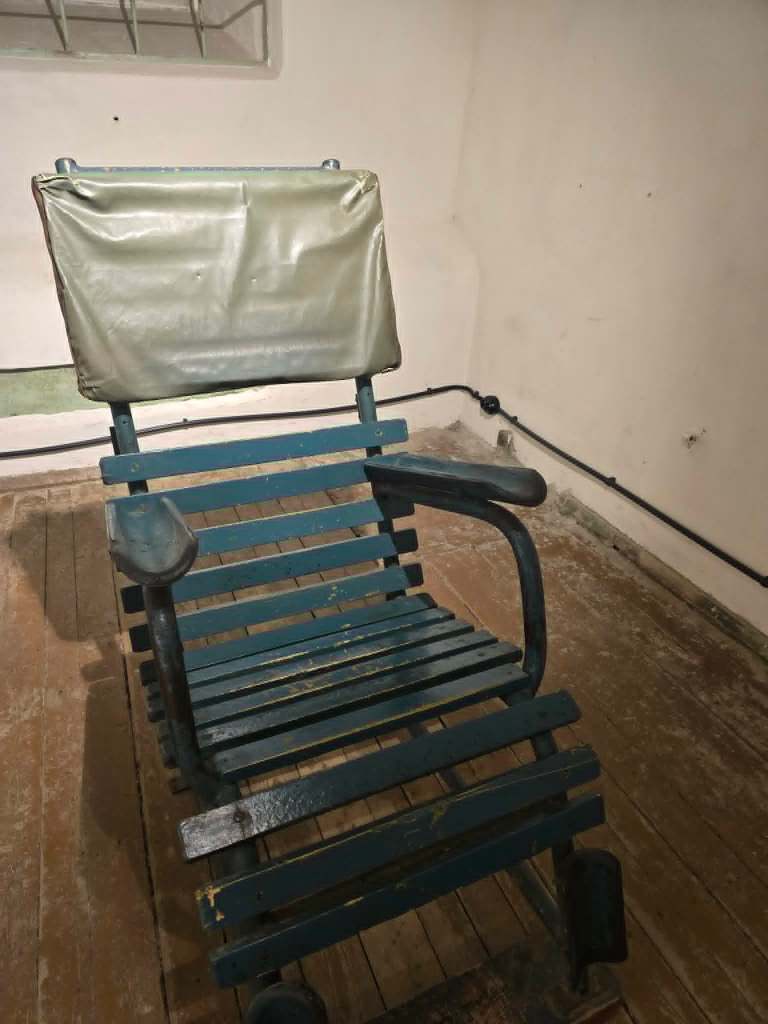
HQ was down in Pagari Street, so while the hotel was all 007, Pagari was more Guantanamo Bay. The cell blocks downtown was where a lot of folks went to disappear. Sometimes to labour camps and sometimes just never to be seen again. Dissenters, traitors and political opponents were all interrogated, imprisoned and sometimes tortured to elicit confessions and propaganda material for Moscow.
The fall of the USSR brought about the retreat of the Russians and Estonia declared its independence. In 2004 they joined NATO, and since the outbreak of war in the Ukraine, the people of Estonia are vocally pro-Ukraine taking in some 40,000 refugees at the start of the war. The border with Russia is closed and trade has all but ceased, causing a rise in the cost of oil and gas for Estonia. Something the government is subsidising through a war tax.
The guide at the KGB Museum at Hotel Viru told a lighthearted spy story but after the tour he said, ‘I don’t want to make you paranoid but of course they are still listening’. The hotel was renovated in 1994, and kilometres of cable was pulled out of the walls but just in case the Russians are still listening – apologies bros, someone gave me a full cream coffee today and well I’m doing my best over here, okay.
 Would You Like Fries With That?
Leave a comment